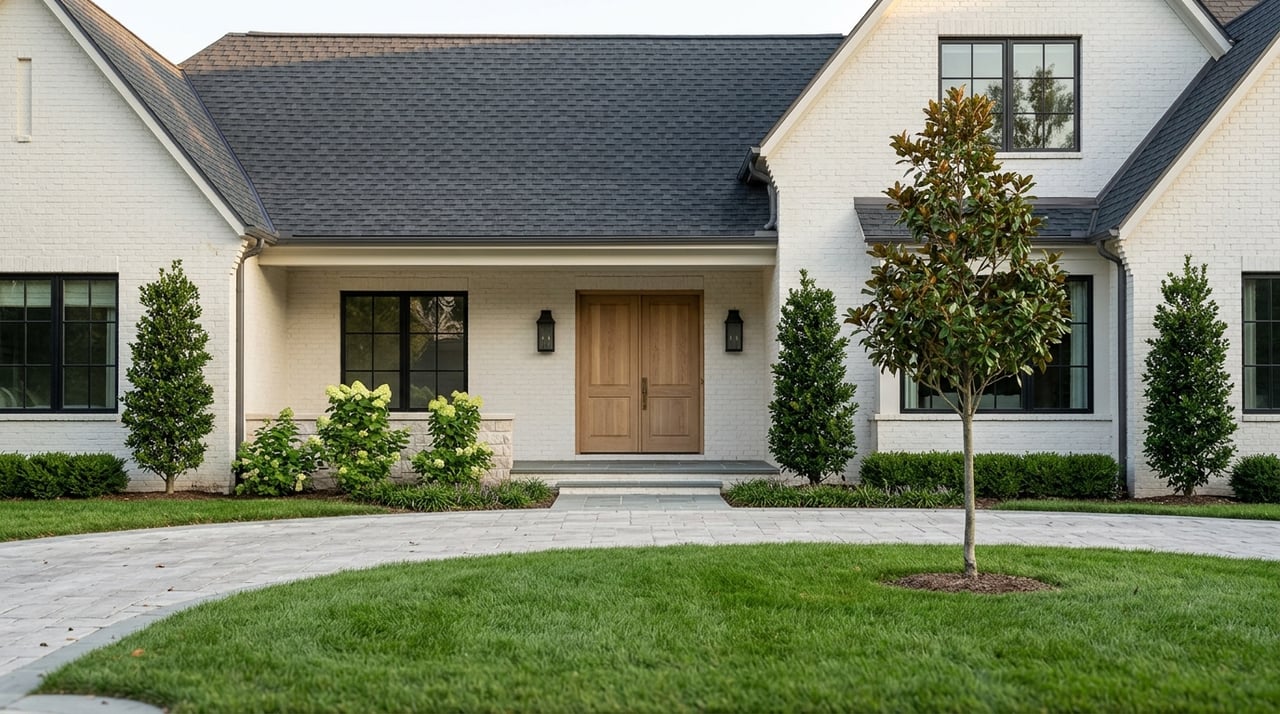
Milton vs Alpharetta Real Estate: Which City Fits You?
July 23, 2026
July 23, 2026
Choosing between Milton and Alpharetta is not just about picking a dot on the map. It is about deciding how you want your everyday life to feel, from the amount of space around you to how often you want dining, events, and errands close at hand. If you are weighing both cities for your next move, this guide will help you compare price, housing style, lifestyle, and day-to-day convenience so you can move forward with more confidence. Let’s dive in.
Milton and Alpharetta sit close to each other, but they offer a different pace and pattern of living. Milton is the more spacious and lower-density option, while Alpharetta is more compact and built around a broader mix of housing and activity centers.
That difference shows up clearly in the numbers. The U.S. Census Bureau lists Milton at 38.49 square miles with 1,072.8 people per square mile, while Alpharetta is 26.90 square miles with 2,446.7 people per square mile. In simple terms, Milton tends to feel more spread out, and Alpharetta tends to feel more connected and active.
Milton’s own planning identity reinforces that feel. The city says about 85% of its land is agriculturally zoned, which helps explain why so much of Milton is associated with larger lots, open space, and a more rural pattern. Alpharetta’s planning documents, by contrast, emphasize downtown redevelopment, mixed-use districts, and areas designed to support a more walkable and varied environment.
If your wish list starts with acreage, privacy, or room to spread out, Milton may stand out right away. Its comprehensive plan centers on Agriculture, Equestrian, Estate Residential, and Low Density Residential land-use categories, with some lot minimums at one acre or more and some gravel-road areas requiring at least three acres.
In practical terms, Milton is where you are more likely to find larger detached homes, horse-friendly properties, and land that supports hobby farms or equestrian facilities. That does not mean every home is on major acreage, but it does mean the city is intentionally shaped around lower-density living in many areas.
Milton also protects this identity through its urban growth boundary approach. The city uses that framework to preserve rural landscape and character while concentrating denser commercial activity in select areas like Crabapple and Deerfield along Highway 9. So rather than one consistent suburban pattern, Milton offers a strong rural core with a few more active nodes.
Alpharetta gives you more flexibility in home type and lot size. Its development code allows smaller-lot detached homes in some districts, and downtown standards allow a range of housing options including detached homes, carriage houses, semi-detached homes, townhouses, and cottage courts.
The code minimums help show the difference. Alpharetta includes residential districts with single-family detached homes on lots of at least 5,000 square feet, and some downtown detached homes can be on lots as small as 4,500 square feet, while townhouses can go much smaller. These are not citywide averages, but they show how much more variety and density Alpharetta can support.
If you want more choices across price points, property styles, and maintenance levels, Alpharetta may give you more ways to match your budget and lifestyle. That can be especially helpful if you are comparing a detached home to a townhome or looking for a more lock-and-leave option.
Milton leans into a quieter, more outdoors-oriented lifestyle. The city highlights parks, trails, and recreation programming, and Birmingham Park includes equestrian-oriented features like horse-trailer parking, hitching posts, connecting trails, and water access for horses.
That official focus matters because it reflects how the city sees itself. Milton’s trail programming and equestrian amenities support a lifestyle that feels lower-key, more spacious, and more tied to open land and outdoor recreation. If that sounds like your version of home, Milton may feel like a natural fit.
Alpharetta’s amenities are more centered on activity hubs and community events. The city highlights places and programs such as Wills Park, AlphaLoop, the Alpharetta Arts Center, live music, Food Truck Alley, and seasonal events including fireworks at Wills Park.
Its planning efforts also support that energy. Alpharetta’s downtown master planning aims to make Historic Downtown Alpharetta a premier destination, which helps explain why many buyers experience the city as more walkable, event-oriented, and convenient for dining and gathering.
If you like the idea of having more to do close by, Alpharetta may feel more self-contained in your daily routine. It often offers easier access to errands, outings, and social activity without as much dependence on a longer drive between destinations.
For many buyers, the decision between Milton and Alpharetta becomes clearer once budget enters the conversation. Current market snapshots show a meaningful price premium in Milton.
Redfin reports a May 2026 median sale price of $1,129,324 in Milton versus $764,542 in Alpharetta. Zillow’s June 2026 home value pages also place Milton above Alpharetta at $958,053 versus $729,464. The methodologies differ, but both point in the same direction: Milton generally requires a higher entry point.
That premium often reflects the land component as much as the home itself. When you buy in Milton, you are frequently paying for larger lots, more separation between properties, and a setting that is intentionally less dense. In Alpharetta, your budget may stretch across more property types and neighborhoods.
Both cities appear active, but not extreme. Redfin shows Milton at 32 median days on market and Alpharetta at 31, with both described as somewhat competitive.
There is also a difference in sales volume. Milton had 151 homes sold in May 2026, compared with 254 in Alpharetta. That higher Alpharetta volume can translate into more options at any given time, depending on the price range and property type you are targeting.
Alpharetta also shows a higher share of homes with price drops in Redfin’s snapshot. That may suggest more price sensitivity and, in some segments, a little more room for negotiation. It does not mean every listing is negotiable, but it does remind you to compare each home carefully rather than assume the same strategy works in both cities.
Commute is not just about the number of minutes. It is also about how your day is structured and whether your routine depends more on driving or offers more ways to move around local destinations.
Census QuickFacts shows a mean travel time to work of 28.0 minutes in Milton and 26.3 minutes in Alpharetta. That is a small difference on paper, but the bigger distinction comes from how each city is laid out.
Milton’s transportation materials note that GA 400 is the primary corridor for many commuters and that transit access can involve park-and-ride plus transfers. Alpharetta’s downtown circulation planning focuses on improving pedestrian and bicycle connections, parking strategy, and a stronger transit presence.
If you picture yourself driving between most destinations and value a quieter setting once you arrive home, Milton may still feel worth it. If you want more of your routine to happen near activity centers with better local connectivity, Alpharetta may feel easier day to day.
If you are torn between the two, try narrowing your decision to the trade-off that matters most.
Milton may be the better fit if you want:
Alpharetta may be the better fit if you want:
For many move-up buyers, this choice comes down to land and quiet versus flexibility and convenience. Neither answer is better across the board. The right answer depends on how you want your home and your routine to work together.
Because Milton and Alpharetta sit so close together, it is easy to assume the decision is simple. In reality, the best fit often comes from understanding the smaller differences in housing stock, neighborhood layout, pricing, and lifestyle rhythm.
That is where guided local insight can make the process feel much clearer. If you are comparing these two North Atlanta markets, it helps to work with someone who can help you weigh not just square footage and price, but also how each area lines up with your next chapter.
If you are ready to compare homes in Milton and Alpharetta with a calm, informed strategy, connect with Jackie Zacharko for personalized guidance.
Stay up to date on the latest real estate trends.
Whether you're buying your first home, selling a luxury property, or exploring new opportunities in Alpharetta, expect a personalized real estate experience built on local expertise, clear communication, and results you can feel confident about.
Jackie Zacharko
3820 Mansell Rd, Suite 170 Alpharetta, GA 30022