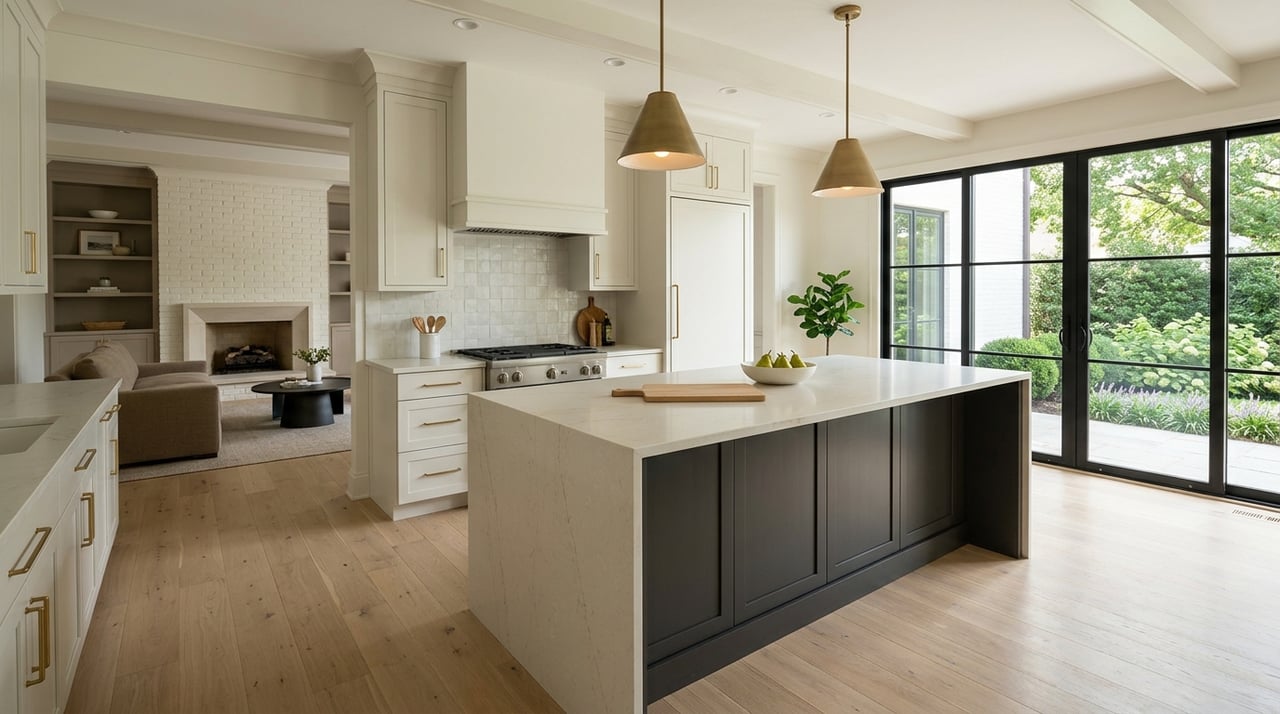
Selling A Home In Alpharetta: Step-By-Step Overview
July 16, 2026
July 16, 2026
Thinking about selling your home in Alpharetta? In a market where homes are still moving but buyers have options, the way you prepare, price, and launch your listing can make a real difference. If you want a smoother sale and a stronger outcome, it helps to understand each step before your home goes live. Let’s walk through what selling a home in Alpharetta typically looks like.
Alpharetta remains one of North Fulton’s higher-priced markets, but it is not a market where every home sells instantly. Recent data shows median listing prices in the low to mid $700,000s, median sold prices around $750,000, and median days on market ranging from 31 to 41 days depending on the source and time window.
That tells you something important. Buyers are active, but they are also selective. With hundreds of active listings and about two offers per home on average in one recent market snapshot, your home needs to stand out on price, condition, and presentation.
If you have flexibility, spring is often the strongest time to sell in Alpharetta. Recent 2026 market analysis points to late March through April as the period when homes tend to sell fastest and for the most money, with mid-April highlighted as an especially strong week to launch.
Of course, timing is not only about seasonality. Your move, job change, school-year planning, next purchase, or relocation schedule may matter just as much. A good plan starts by matching market timing with your personal timeline.
Pricing is one of the most important decisions you will make. In Alpharetta, where buyers are often comparing multiple well-kept homes at a higher price point, an aggressive price can slow your momentum quickly.
That first week matters. Fresh listings tend to get the most attention, and broader Atlanta data shows that many homes that linger past 30 days end up needing price reductions. About one in five listings in the metro area took a price cut in May 2026, which is a strong reminder that overpricing can cost you leverage.
A smart price is not just about aiming high. It is about attracting serious buyers early, creating urgency, and keeping your home competitive in a market where condition and value are closely examined.
Before your home hits the market, focus on the details buyers notice first. Recent seller guidance shows that many buyers pay close attention to overall condition, cleanliness, and layout right away.
That means your pre-listing work should start with the basics:
In Alpharetta, visible quality matters. Buyers in this market are often willing to pay for a home that feels cared for and move-in ready, so small improvements can have a big impact.
Not every home needs a major remodel before selling. In many cases, the best return comes from making the home look fresh, clean, and well maintained rather than taking on large speculative projects.
Buyer preference data suggests that features such as remodeled kitchens, updated bathrooms, a new roof, and updated electrical, plumbing, or HVAC systems can carry real value. Still, that does not mean every seller should renovate. The right choice depends on your home’s condition, the price range, and what competing listings are offering.
For many sellers, the better path is to fix obvious issues, improve presentation, and avoid leaving buyers with visible maintenance concerns.
A pre-listing inspection can help you spot major issues before a buyer does. That gives you more control over how repairs are handled and can reduce surprises during negotiations.
This step is especially helpful if your home is older or if you know there may be deferred maintenance. Even when you do not repair everything, knowing the condition upfront can help you price and plan more confidently.
Online presentation is a major part of your sale. Professional photography and staging are widely considered important because they help your home stand out online and make it easier for buyers to picture themselves in the space.
This matters in Alpharetta because buyers are often comparing homes carefully before they ever schedule a showing. Clean rooms, strong natural light, polished photos, and a thoughtful layout can improve first impressions before anyone walks through the door.
Once your home is ready, the listing launch should feel coordinated and intentional. This is when pricing, photos, and presentation all come together.
A strong launch gives your home its best chance to capture early attention. In a market where homes can still move within about a month but buyers have choices, you want to make the most of your first days on market rather than trying to recover later.
After your home goes live, showings may start quickly if the home is priced well and shows well. Since Alpharetta is active but not a no-choice market for buyers, being flexible with showing times can help you capture more interest.
Try to keep the home clean, bright, and easy to access whenever possible. Buyers may be comparing several homes in one day, so your goal is to make each visit feel smooth and memorable.
When offers come in, price matters, but it is not the only factor. You will also want to look at the buyer’s financing strength, contingencies, proposed closing timeline, and any requests for seller concessions or repairs.
Because Alpharetta is seeing activity without extreme bidding pressure across the board, the highest offer is not always the strongest offer. A clean, well-supported contract with realistic terms can put you in a better position than a higher number with more risk attached.
Once you are under contract, the process is not over yet. Inspection findings, repair discussions, and buyer requests can all affect the final path to closing.
This is where preparation can really help. If you handled maintenance early, priced the home well, and entered the contract with a clear picture of condition, you may be in a stronger position during negotiations.
Georgia closings come with a few seller-side details you should plan for early. When title is conveyed, Georgia real estate transfer tax applies, and the seller is generally liable for it unless the contract assigns it differently.
Georgia also requires Form PT-61 for deeds that convey real property. The form must be properly completed and signed by the seller or seller’s agent and the buyer or buyer’s agent before the deed can be recorded. If it is not completed properly, the clerk will not record the deed.
At closing, property taxes and utilities are typically prorated in Georgia. That means your financial planning should include more than just the sale price and mortgage payoff.
It is also helpful to remember that the contract date and your move-out date are not always the same milestone. Existing-home contracts in Georgia commonly run about 30 to 90 days from contract to closing, so your moving plan should account for that gap.
If your home is part of an HOA or condo association, the association may need to provide a statement showing any past-due assessments, late charges, and interest when requested. Gathering this early can help avoid delays later in the transaction.
If your home was built before 1978, lead-based paint disclosure rules also apply to most such homes. Taking care of these items early helps keep your closing timeline on track.
If you have a Fulton County homestead exemption, it is worth understanding how occupancy and timing may affect your final tax picture. Fulton County states that homestead exemptions automatically renew only while the homeowner continually occupies the property under the same ownership, and the application deadline for the current tax year is April 1.
This may matter when you are trying to estimate tax proration at closing or plan the timing of your move. It is one more reason why careful planning helps prevent last-minute confusion.
While every property is different, the local pattern is fairly clear. Alpharetta tends to reward homes that come to market with a competitive price, polished presentation, and clear signs of ongoing care.
If you focus on the fundamentals, you put yourself in a stronger position:
Selling in Alpharetta is not about chasing hype. It is about making smart decisions at each step so your home enters the market ready to compete.
If you are thinking about selling and want a calm, informed plan tailored to your home and timeline, Jackie Zacharko can help you prepare, position, and move forward with confidence.
Stay up to date on the latest real estate trends.
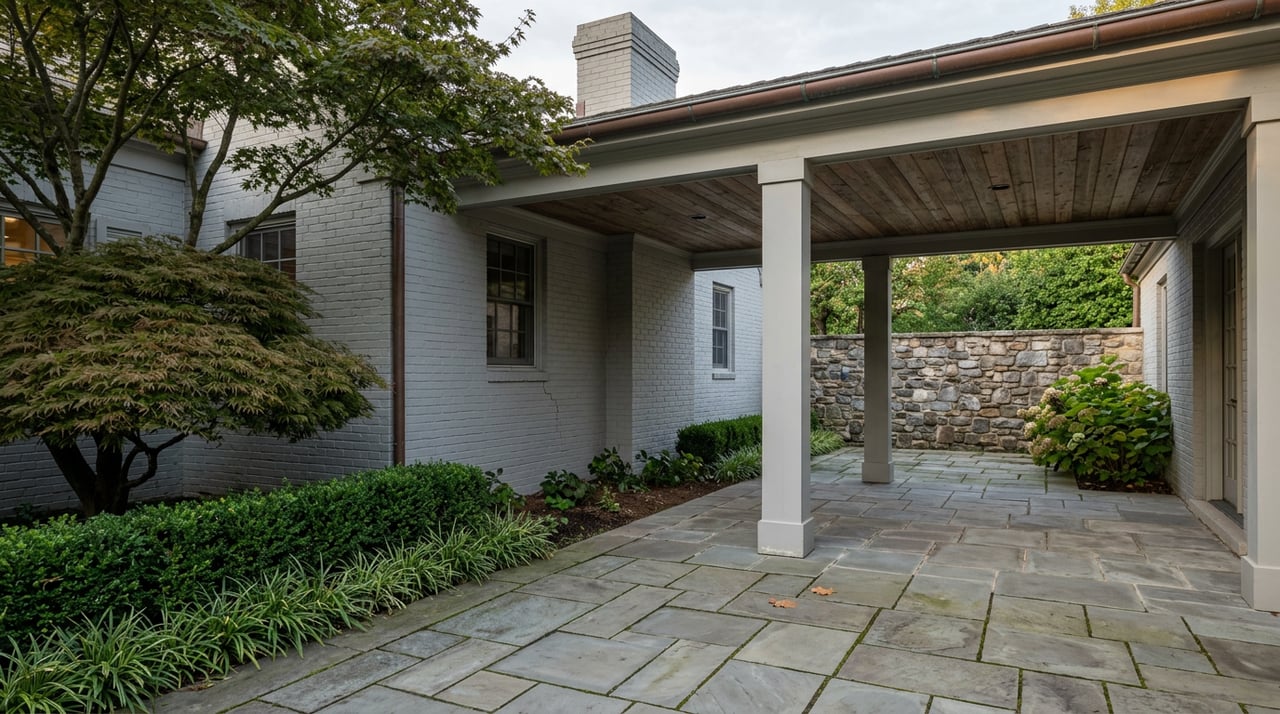
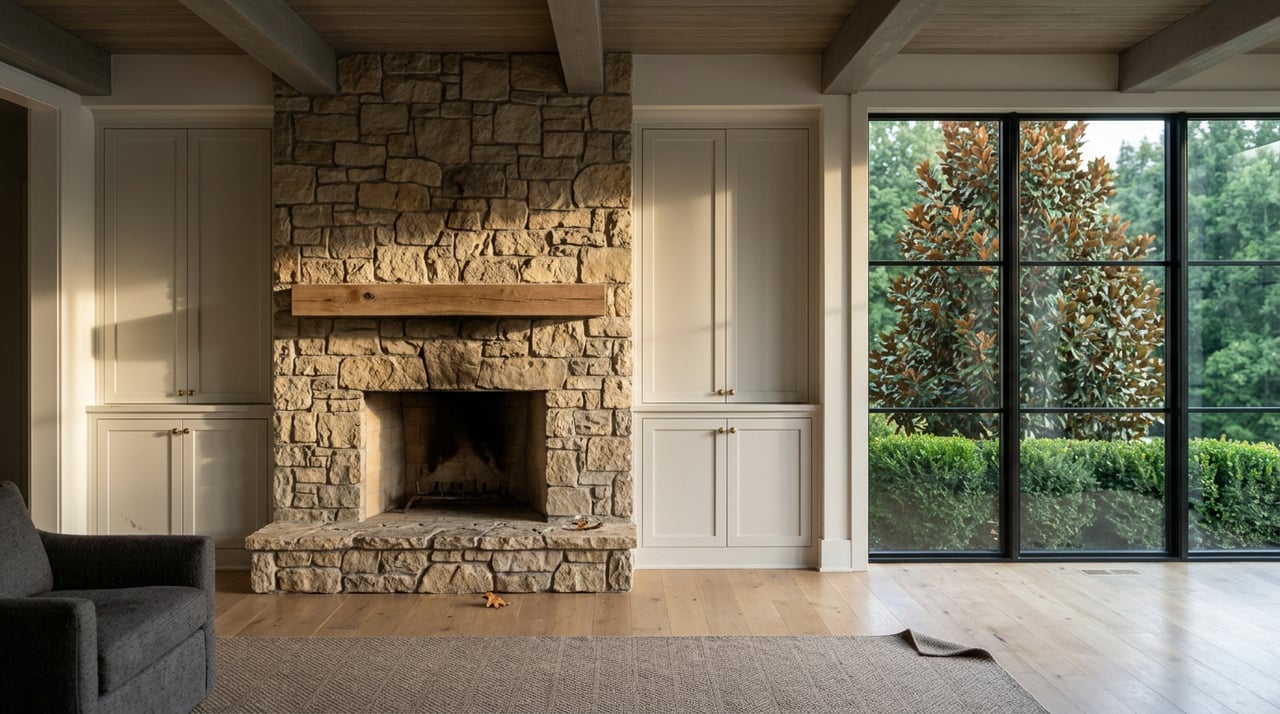
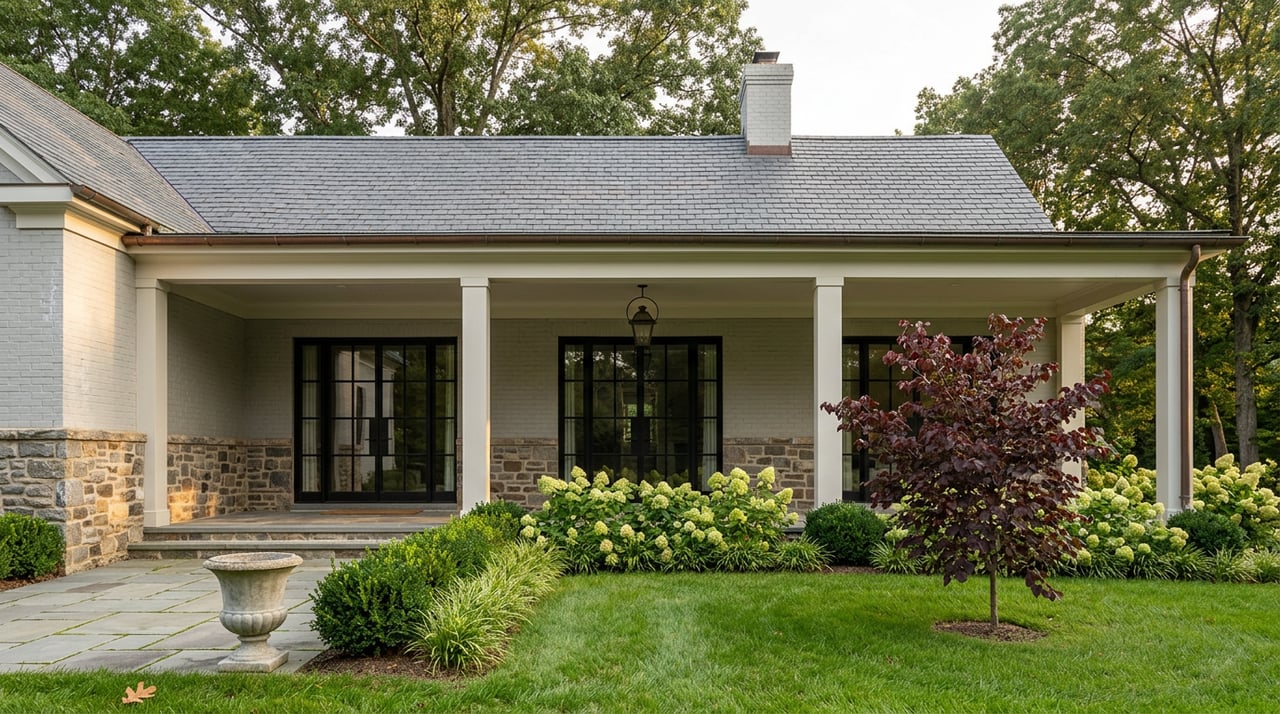

Whether you're buying your first home, selling a luxury property, or exploring new opportunities in Alpharetta, expect a personalized real estate experience built on local expertise, clear communication, and results you can feel confident about.

Jackie Zacharko
3820 Mansell Rd, Suite 170 Alpharetta, GA 30022